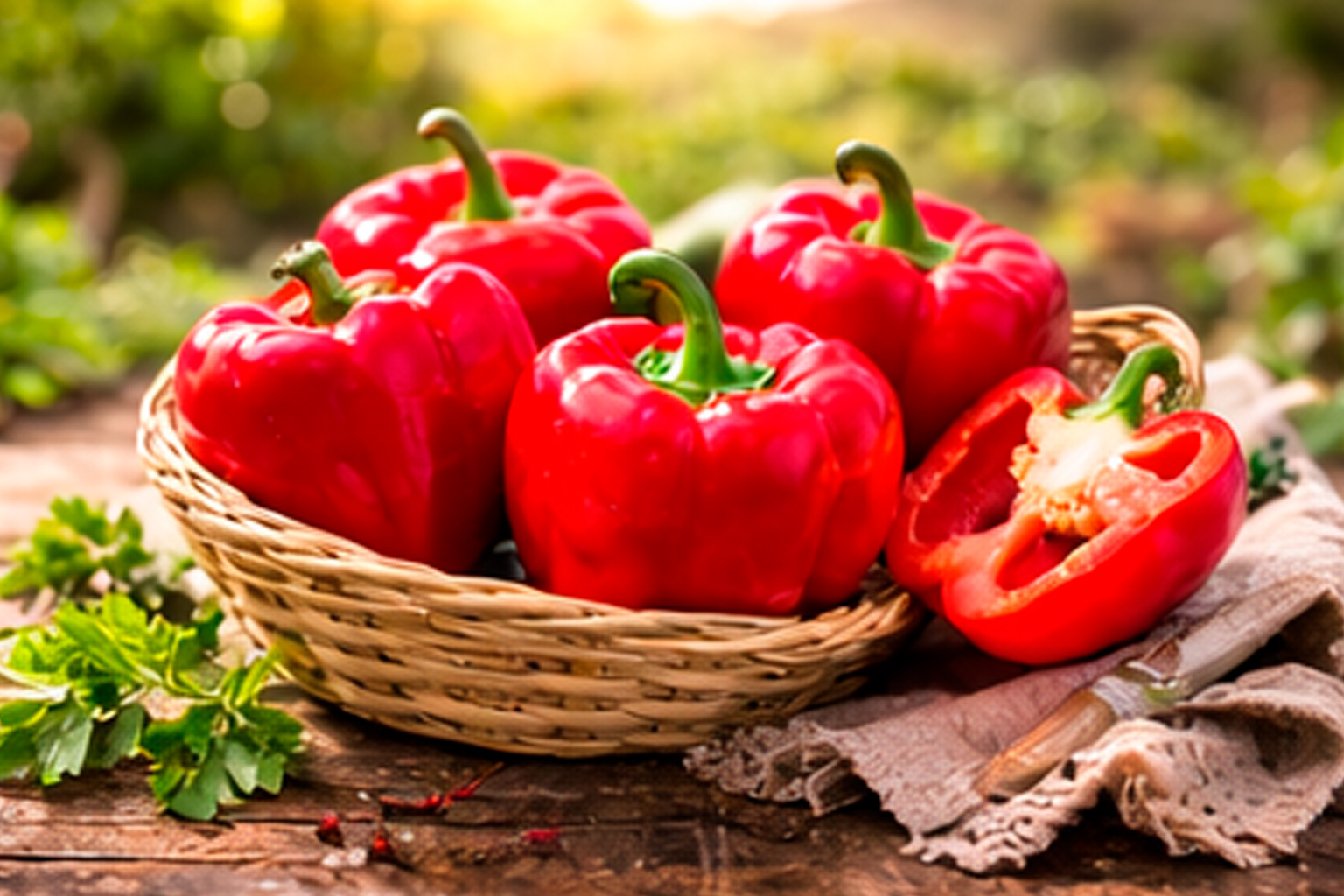
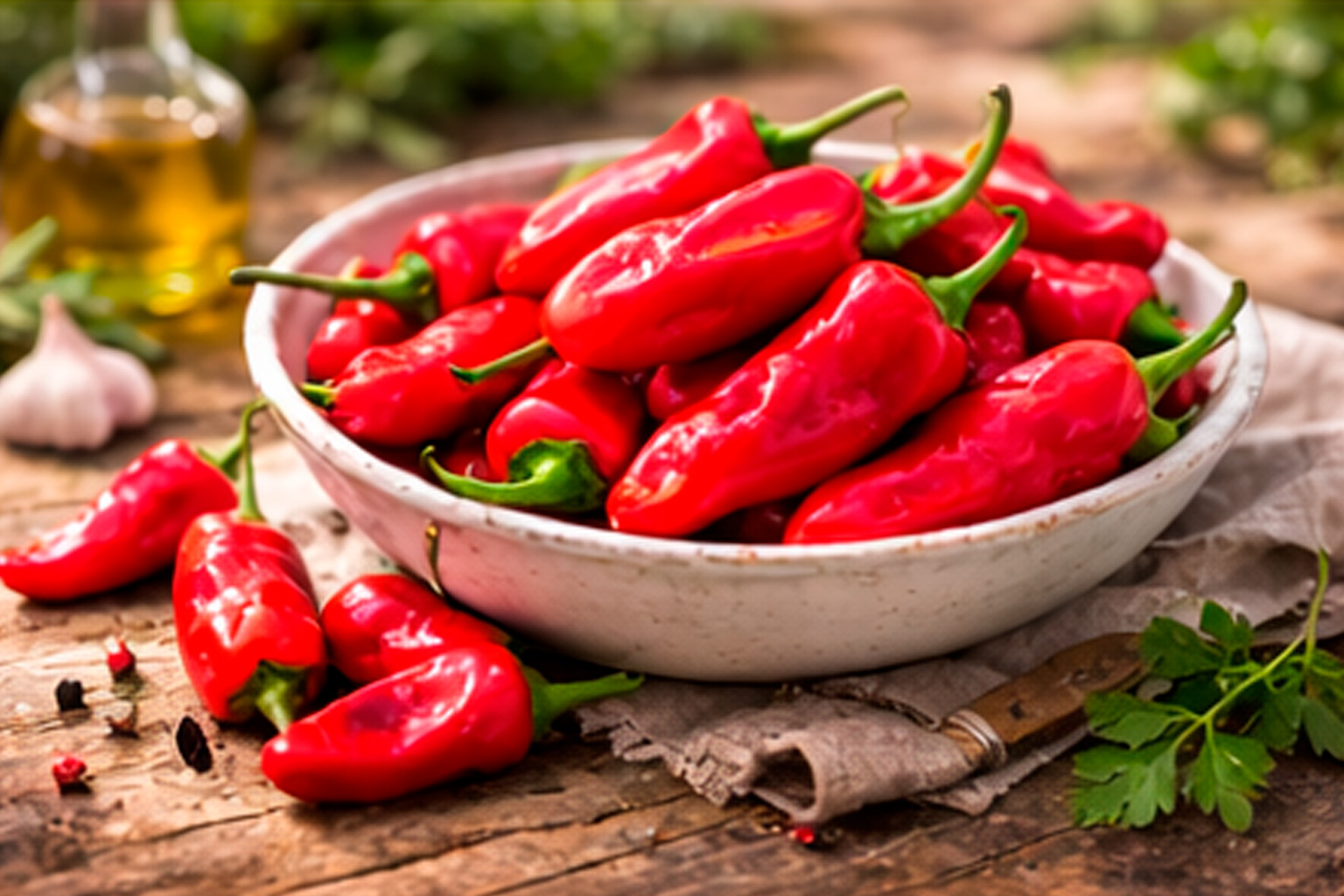
Its protein content is very low, and it provides almost no fat. In addition, peppers are a good source of fiber, minerals, and vitamins.
Among the minerals, potassium stands out as the most abundant (although peppers are not among the vegetables richest in potassium). Magnesium, phosphorus, and calcium are also present in smaller amounts, although calcium is not absorbed as efficiently as the calcium found in dairy products.
* Potassium is essential for nerve impulse transmission, muscle activity, and the regulation of water balance at the cellular level.
* Magnesium contributes to the proper functioning of the intestines, nerves, and muscles; it forms part of bones and teeth, supports the immune system, and has a mild laxative effect.
* Phosphorus, together with magnesium and calcium, plays an important role in the formation of bones and teeth.
When it comes to vitamins, peppers contain significant amounts of almost all vitamins, except vitamin B12, which is found only in foods of animal origin.
Vitamin C is particularly noteworthy, as it is present in the highest concentration. In fact, peppers can contain more than twice as much vitamin C as fruits such as oranges or strawberries. However, this should be considered within the context of the overall diet: people generally consume much larger quantities of fruit than peppers, and peppers are usually eaten cooked rather than raw. Since vitamin C is heat-sensitive, part of it is lost during cooking.
Peppers are also an excellent source of carotenoids, including capsanthin, an antioxidant pigment responsible for the characteristic red color of certain pepper varieties.
Their content of provitamin A is also significant. The body converts provitamin A into vitamin A as needed. Peppers also provide folate and vitamin E, along with smaller amounts of other B vitamins such as B6, B3, B2, and B1. Their combination of vitamins C and E, together with carotenoids, makes peppers an important source of antioxidants, compounds that contribute significantly to overall health.
In addition to being a powerful antioxidant, vitamin C plays a role in the formation of collagen, red blood cells, bones, and teeth. It also enhances iron absorption from food and helps strengthen the body's resistance to infections.
Vitamin A is essential for vision, healthy skin, hair, mucous membranes, bones, and the proper functioning of the immune system.
Folate is involved in the production of red and white blood cells, the synthesis of genetic material, and the formation of antibodies within the immune system.
When comparing the two main color groups of peppers, red peppers contain slightly more vitamin A than green peppers.